Home

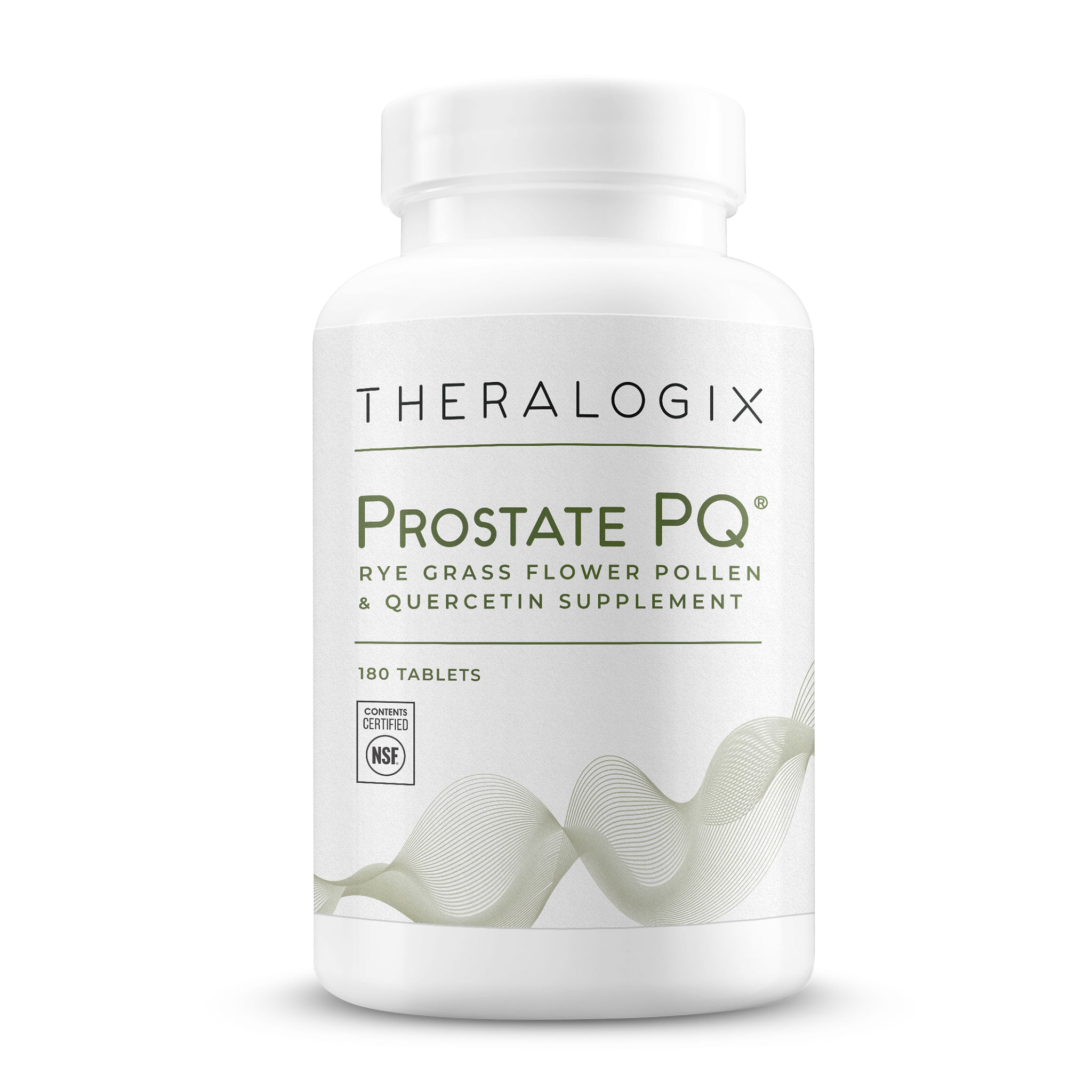
Prostate PQ® Rye Grass Flower Pollen & Quercetin Supplement
90-day supply
$130.53
Taxes and shipping are calculated at checkout.
Prostate PQ combines ryegrass pollen extract and quercetin to provide unique prostate support to relieve pelvic discomfort and support healthy urinary function.*
- Graminex® rye grass flower pollen extract: Rich in amino acids, antioxidants, and phytosterols to promote healthy urinary function.*
- 500 mg of quercetin per daily dose, a beneficial antioxidant for prostate health.*
- Non-allergenic: Suitable even for those allergic to pollen.
- Everything it should, nothing it shouldn’t: The only rye grass flower pollen and quercetin supplement certified by NSF® International for content accuracy and purity.
RECOMMENDED USE
Take one tablet twice daily with food, or as recommended by your healthcare provider.
Frequently bought together
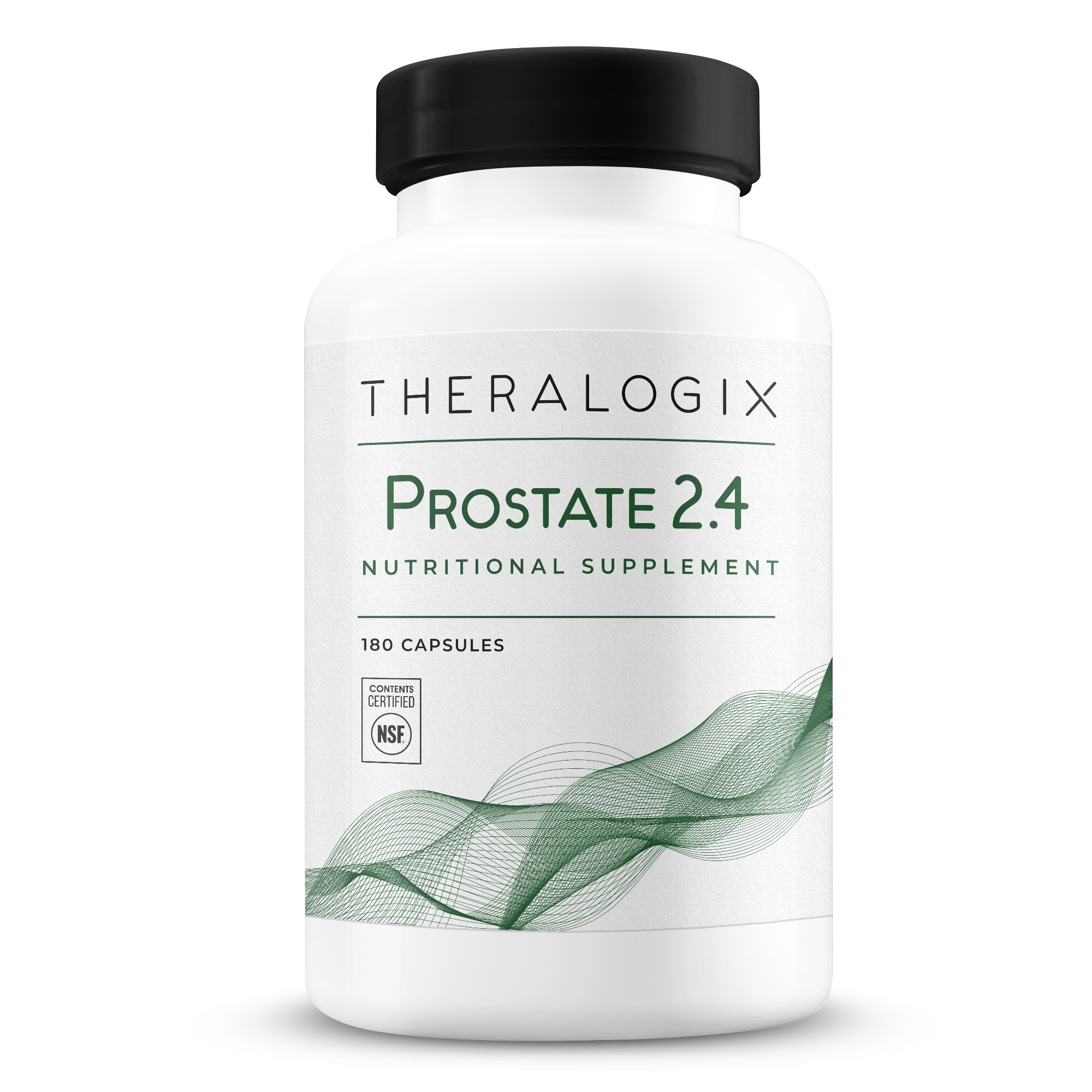
Prostate 2.4 Nutritional Supplement
$130.53
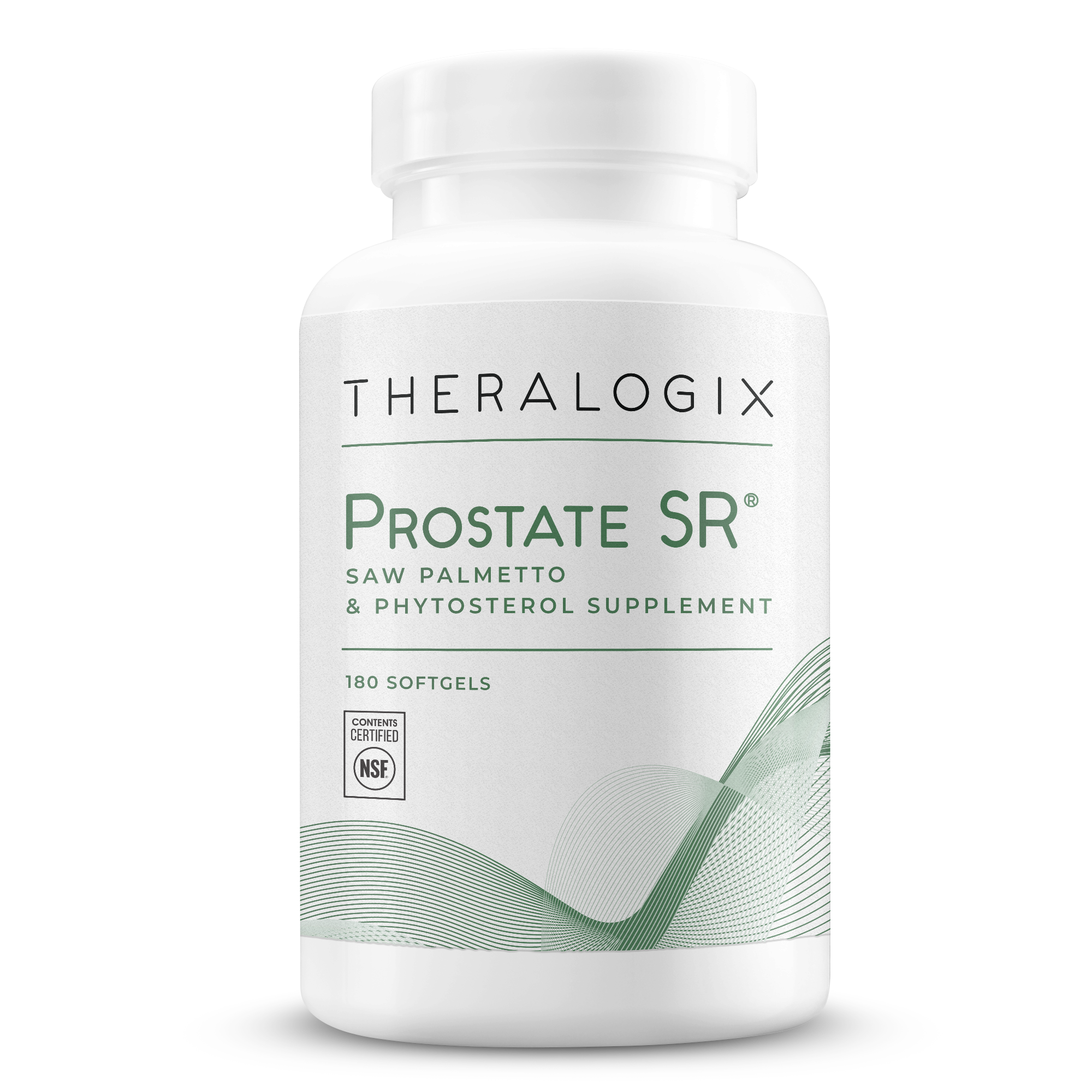
Prostate SR® Saw Palmetto & Phytosterol Supplement
$104.21
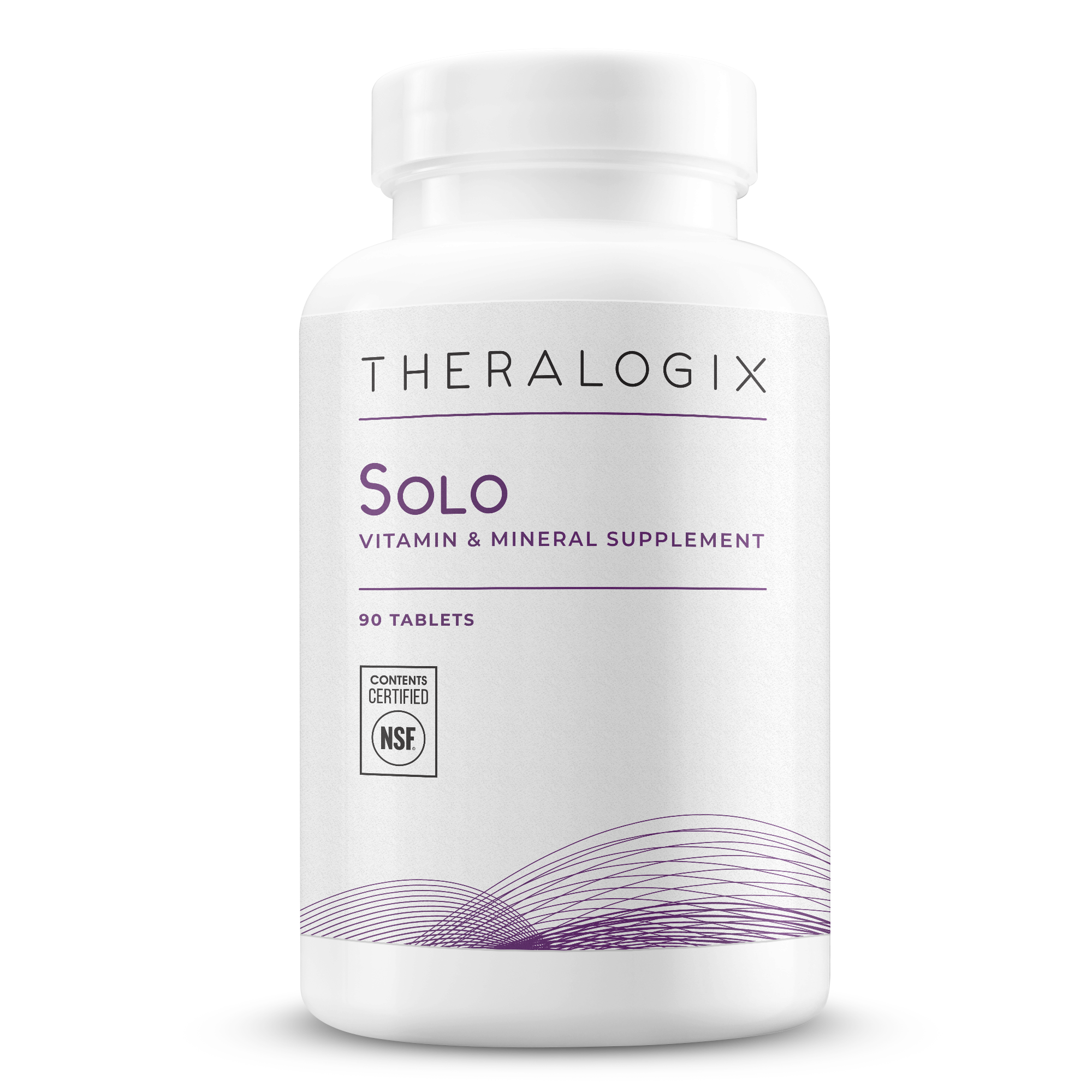
Solo Multivitamin Without Iron
$23.16
FAQs
What is Prostate PQ?
Prostate PQ contains ryegrass pollen extract and quercetin to support pelvic and prostate health as well as healthy urinary tract function.*
How is Prostate PQ different from other prostate health supplements?
- Independently Tested and Certified. Prostate PQ is tested and certified by NSF® International for content and purity, so you know exactly what you’re getting.
- Only What You Need. Prostate PQ provides a unique combination of ryegrass pollen extract and quercetin to relieve pelvic discomfort and support healthy urinary function. * It contains no proprietary blends, unnecessary nutrients, or undisclosed ingredients.
- Quality You Can Trust. Prostate PQ is manufactured in the USA in a cGMP-compliant facility.
Who is likely to benefit from a rye grass flower pollen extract and quercetin supplement?
Research suggests that men who experience pelvic or genital discomfort, frequent and/or urgent urination, and a weak or interrupted urine stream may benefit from using ryegrass pollen extract and quercetin.* Benefits may be seen as early as one month after starting to take ryegrass pollen or quercetin supplements.*
How long can I take Prostate PQ?
Prostate PQ is suitable for continuous daily use. Studies up to six months have demonstrated the safety and benefits of ryegrass pollen extract and/or quercetin. * Consult your healthcare provider for more information.
Does Prostate PQ contain bee pollen?
No. Prostate PQ does not contain bee pollen. Prostate PQ contains Graminex® ryegrass pollen extract, which is grown in Ohio. It does not come from bees.
Is it safe to take Prostate PQ if I’m allergic to pollen?
Yes. The Graminex® ryegrass pollen extract in Prostate PQ is non-allergenic. Allergens are concentrated on the outside of the pollen grains. During the pollen extraction process, the outside is filtered out, leaving only the non-allergenic nutrients inside.
Will rye grass flower pollen extract and quercetin shrink my prostate?
No. Neither pollen nor quercetin has been shown to affect prostate size.
Are there side effects from taking Prostate PQ?
No. Prostate PQ does not produce any expected side effects.
Can I take Prostate PQ with other nutritional supplements?
Yes. Prostate PQ can be taken with other nutritional supplements.
What should I be careful about when taking Prostate PQ?
As with any dietary supplement, Prostate PQ is not a substitute for the advice of your healthcare provider.
Please discuss with your pharmacist and/or healthcare team to determine if Prostate PQ can be taken with your medications.
© Copyright 2025 Symptoms of Prostate Problems, All rights reserved.
*These statements have not been evaluated by the Food and Drug Administration.
This product is not intended to diagnose, treat, cure, or prevent any disease.